1. Confirm the property is released
If police were involved, cleanup starts after they release the space. The owner or family can check with the agency.
Rolling Hills, CA · Los Angeles County
Property managers in Rolling Hills find syringes, burnt foil and stained surfaces during move-out walks. Call (877) 812-4220 for a calm, private cleanup that clears the unit for the next tenant.
If anyone is in danger, call 911 first. For a suicide crisis, call or text 988.
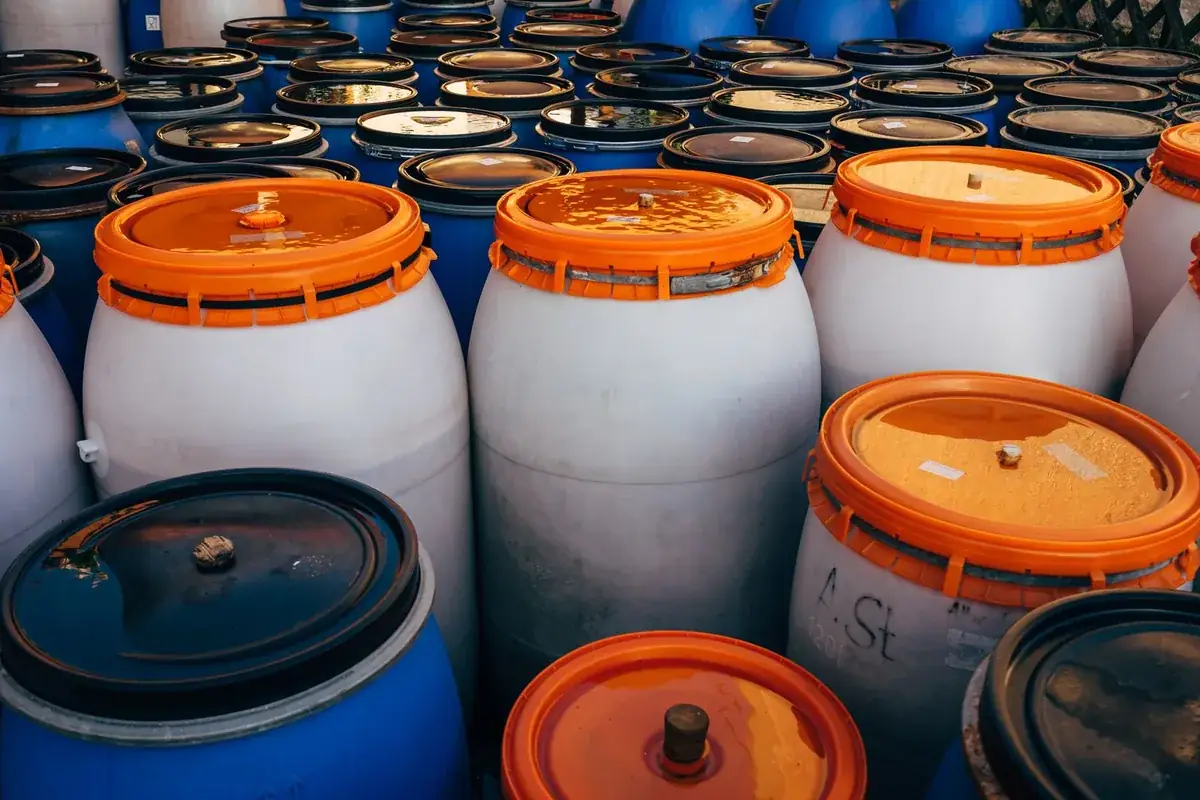
Drug residue cleanup removes powders, stains and films left on floors, furniture and fabrics after drug use. Because residue is often invisible and hard to identify, crews treat it as hazardous.
You can get drug paraphernalia cleanup in Rolling Hills and throughout Los Angeles County by calling Rolling Hills Biohazard Cleanup Help. Cleanup technicians follow the OSHA Bloodborne Pathogens Standard, 29 CFR 1910.1030, when sharps are involved.
Renters make up about 54% of households in Los Angeles County, so landlords often need paraphernalia cleared between tenants. After a needle stick or exposure to an unknown substance, get medical care. St Mary Medical Center in Long Beach is the closest emergency room to Rolling Hills.
The work often covers:
If police were involved, cleanup starts after they release the space. The owner or family can check with the agency.
The team looks over the rooms and decides which items, surfaces and materials need attention.
Items are lifted with tools into labeled containers. Soft materials that cannot be cleaned are removed and bagged.
Sealed waste is hauled for proper disposal, and a record is available for the owner on request.
The cost of drug paraphernalia cleanup in Rolling Hills, CA depends on the amount of material, how it is packed and how it is hauled.
Timing can affect the plan. A same-day need before a new tenant arrives may be scheduled differently from a job booked ahead.
| Type of job | Typical range |
|---|
These ranges come from published cost guides () and are not a quote for Rolling Hills. Price drivers include amount of material, whether residue is present, surfaces affected, waste disposal. For a real number, call (877) 812-4220.
Sometimes. Some homeowners and renters policies cover cleanup after a covered event, and some limit or exclude claims tied to illegal activity. Check your policy, call your insurance company before work starts, take photos if you can, and keep every receipt.
The owner of the property usually pays at first. Lease terms and local law decide who is responsible in the end. A landlord, an attorney or a tenant rights group can say. Keep any record the cleanup team gives you, since a landlord or insurer may ask for it.
No. Drug paraphernalia cleanup removes used items and cleans surfaces. A site where drugs were made is a different job with its own testing and clearance steps. If you think drugs were made in the home, say so when you call.
Often, yes. Many teams can arrive in an unmarked vehicle and work quietly. If privacy matters, ask about it when you call. The crew shares only what it needs to plan the work.
No. A good team asks only what it needs to plan the work, and you decide what to share. If privacy matters, ask about discreet, unmarked arrival when you call. Teams differ, so ask how the call and the visit are handled.
A careful cleanup removes the items and cleans the surfaces it covers. Testing is a separate step, and rules vary by place. Ask the team what it did and did not check, and ask the local health department what applies where you live.
If anyone is hurt or unresponsive, call 911 first, then call for cleanup.
Call (877) 812-4220